The Netherlands announces intention to procure GlobalEye
The Netherlands signed a Letter of Intent with Sweden to acquire a Saab GlobalEye airborne surveillance platform.

Always on Target
The Netherlands signed a Letter of Intent with Sweden to acquire a Saab GlobalEye airborne surveillance platform.
The Netherlands has signed a Letter of Intent with Sweden to acquire a Saab GlobalEye airborne early warning and control system.
Norwegian airports handled nearly 5 million passengers in August 2026, with international traffic growth offsetting a slight decline in domestic travel.

SpaceX's Starship uses methane engines designed to enable in-situ propellant production on Mars from atmospheric CO2 and water ice, supporting a reusable return architecture for deep space missions.
London Heathrow Airport processed 23 million passengers during summer 2026, with August recording 7.8 million travellers and a record-breaking single day of nearly 272,000 passengers on August 2nd.
Frankfurt Airport handled 6.3 million passengers in August 2026, marking its highest monthly total despite a slight 0.3% decline year-over-year, while cargo volumes increased 2.9%.
Zurich Airport reported 1.8% passenger growth in August 2026 with 3.3 million travelers, including 30.6% transfer traffic. Aircraft movements increased more sharply at 2.9% year-over-year.
KLM Cityhopper celebrates 60 years of operations, evolving from a small domestic carrier in 1966 into a major regional airline supporting KLM's European network and Amsterdam's hub operations.

Recent U.S. military conflicts have revealed vulnerabilities in integrated air-and-missile defense systems when facing coordinated multi-domain attacks, prompting strategic reassessment of defensive capabilities.
A TUI Airways Boeing 737-800 bound for Cyprus was forced to return to Cardiff shortly after takeoff following a bird strike that caused visible engine flames. The aircraft landed safely with no reported injuries.
Tropic Air Charters has received its first Tecnam P2012 Traveller twin-engine aircraft, delivered to Florida following factory acceptance in Italy. The Florida-based charter operator will use the aircraft for high-end charter services.
France's defense procurement agency has accepted delivery of the first two Falcon Albatros development aircraft, advancing the military transport program.
Low-cost carrier Wizz Air is reinstating 12 routes to Middle Eastern destinations for winter 2026/27, serving Dubai, Abu Dhabi, Jeddah, and Amman from European hubs.

A former financial director at FLYT Aviation has been arrested and charged with 20 counts of theft and racketeering in connection with misappropriated student flight-training funds.
Following a strategic partnership agreement between Germany and the UAE, Emirates has secured new flight operations to Berlin as part of broader bilateral cooperation on security, defence, and trade.
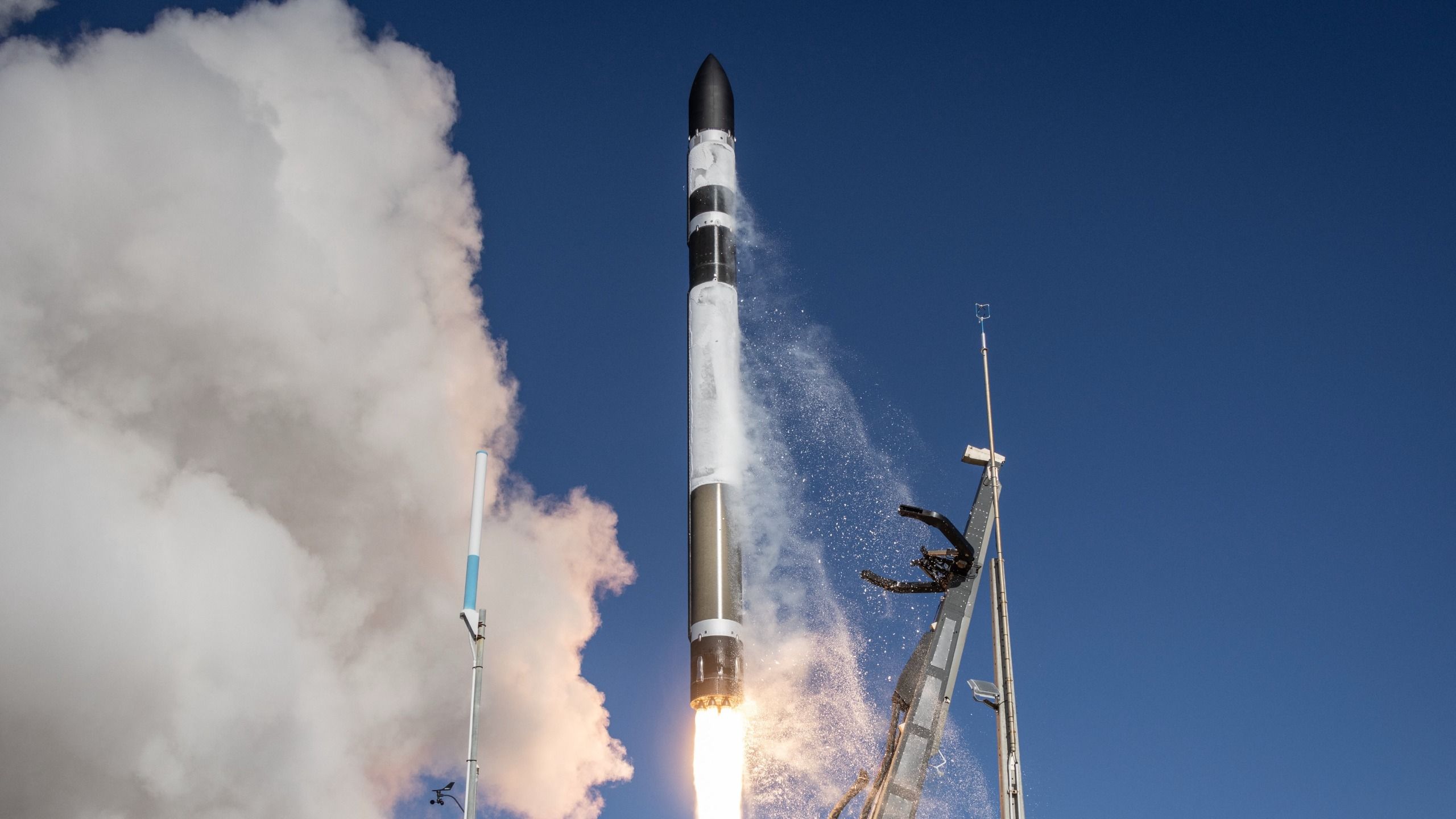
Rocket Lab successfully launched an Earth-observation satellite to orbit for an undisclosed customer, conducting the mission without a public livestream.
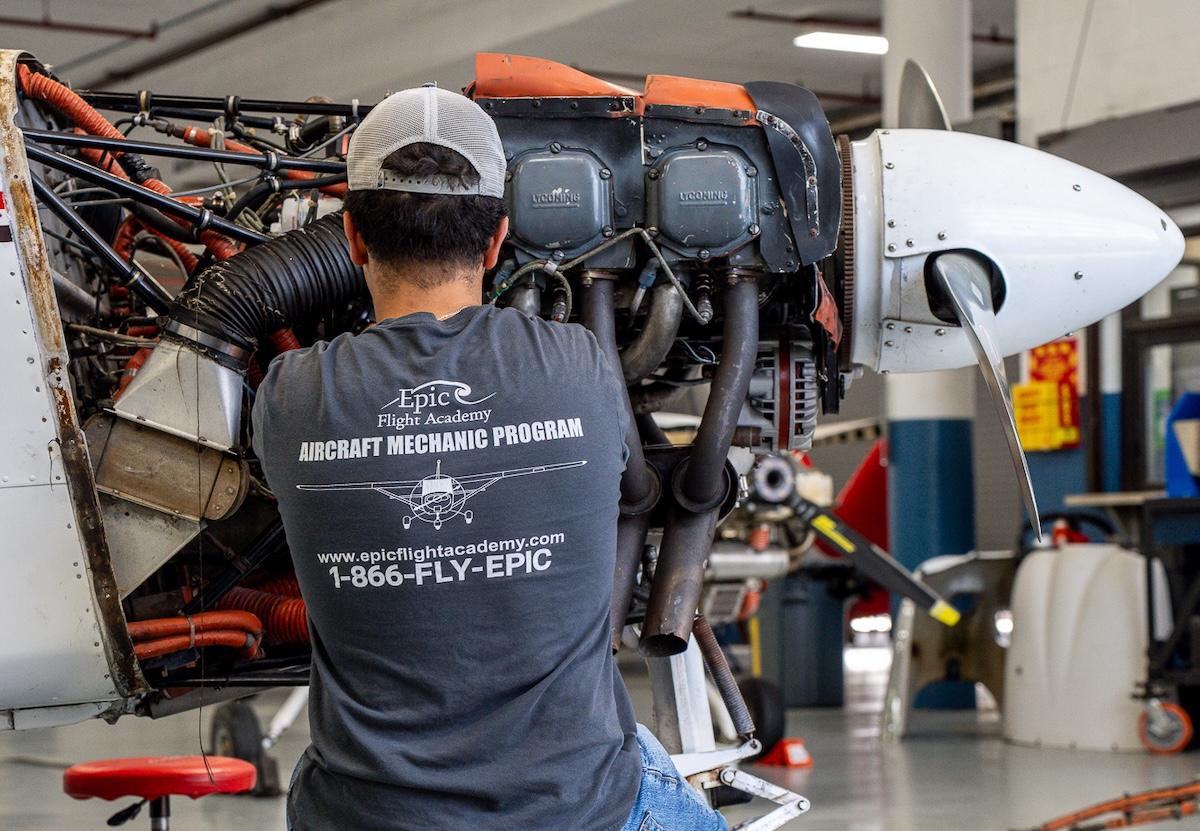
Epic Flight Academy is expanding its offerings to include test preparation courses for A&P (Airframe and Powerplant) mechanic certification at its Florida and Kentucky locations.

MDA Space has unveiled a military-specific variant of its Aurora satellite platform, incorporating enhanced cybersecurity and physical security capabilities for defence communications applications in contested environments.

DHL Post & Parcel has expanded parcel processing capacity at its Cologne facility in northwest Germany.
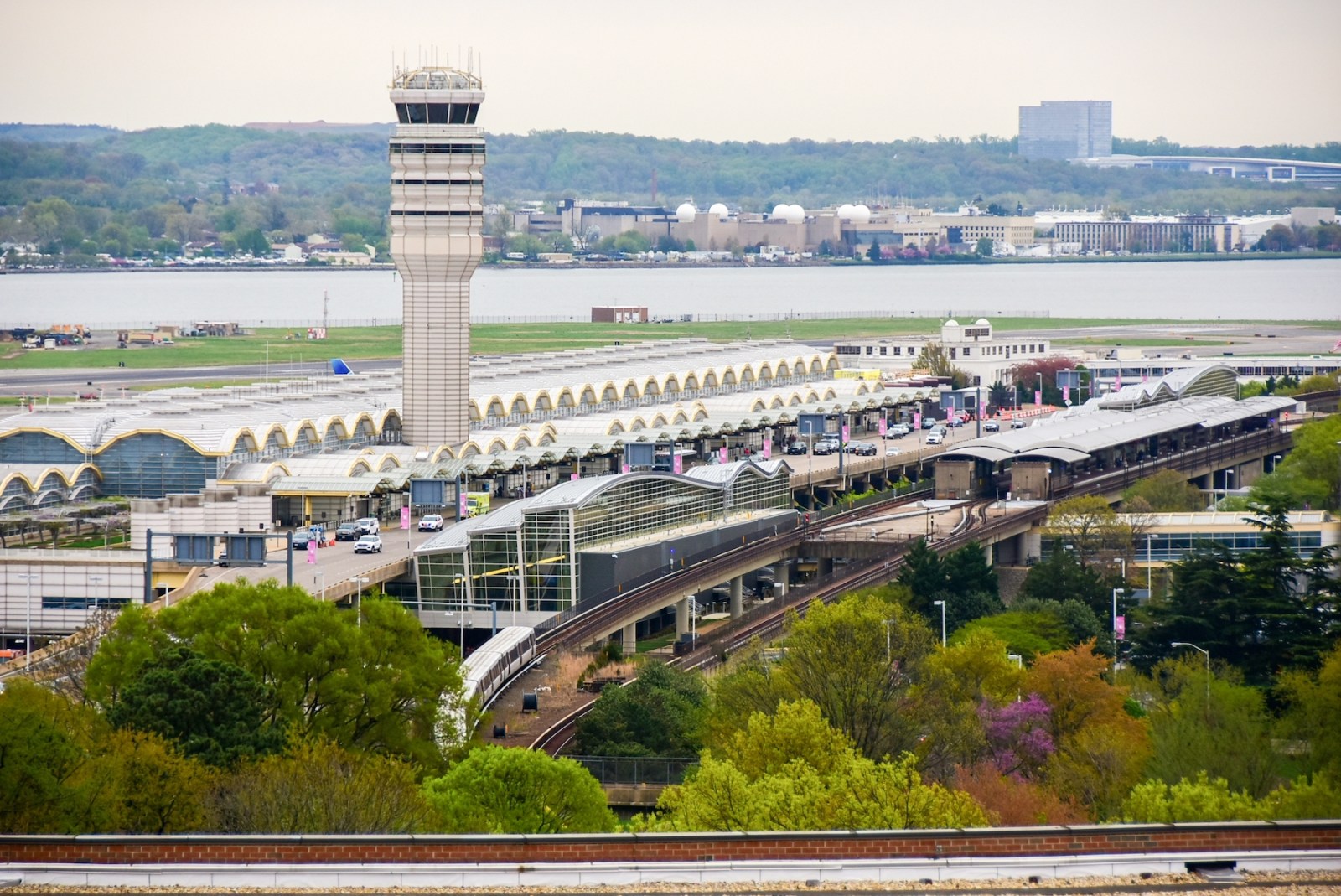
Proposed legislation aims to reduce flight congestion at Ronald Reagan Washington National Airport, citing safety concerns related to overcrowding.
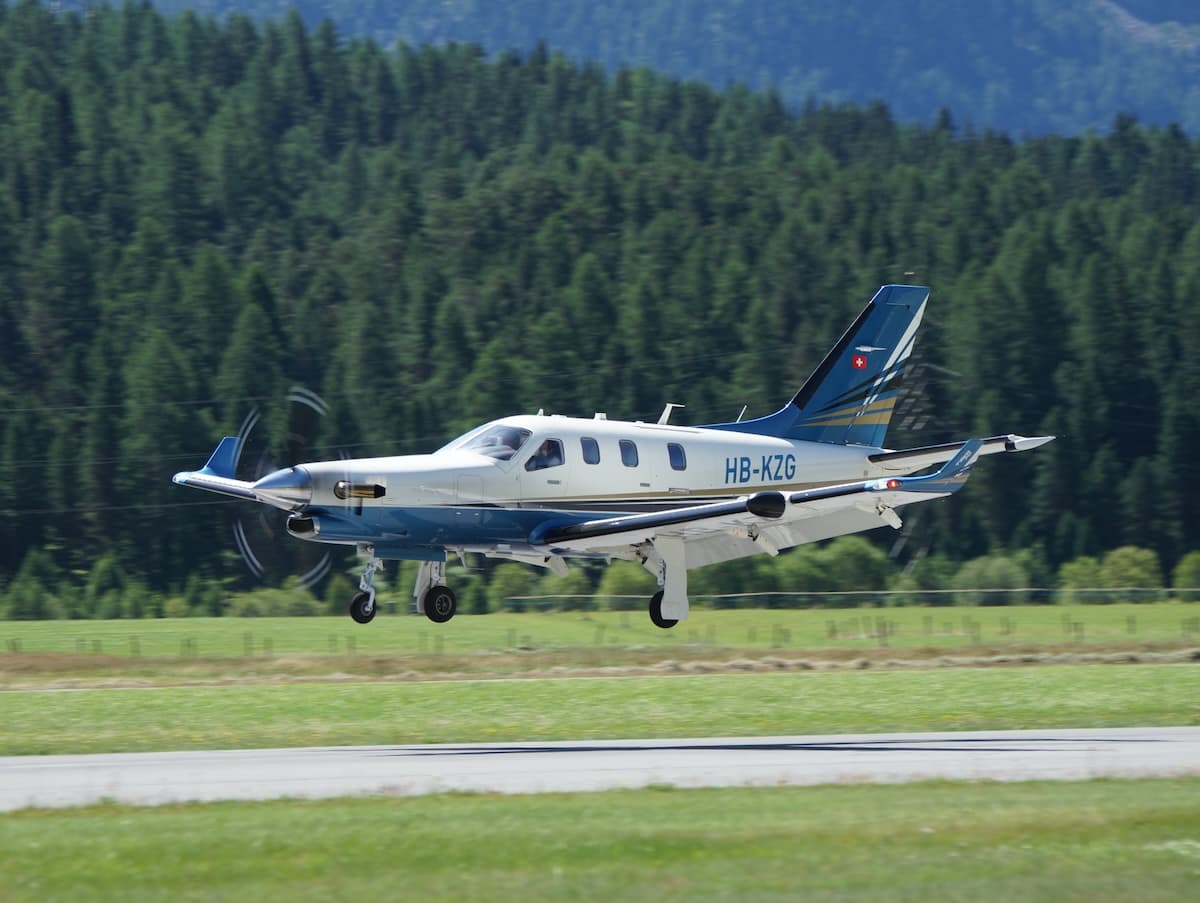
Switzerland took delivery of its first Daher TBM 940 turboprop, which arrived at St. Moritz Samedan Airport in the Swiss Alps for pilot conversion training operations.
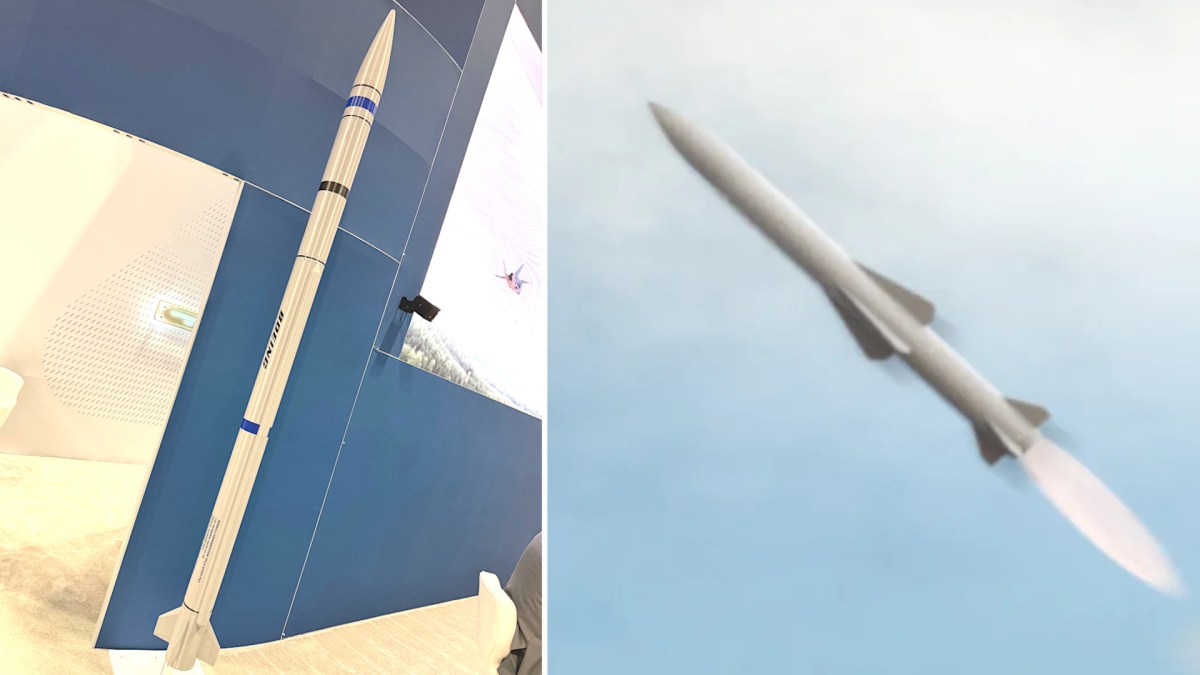
The U.S. Army is evaluating candidates for a new mid-tier air defense system, with the Enduring Shield platform and AIM-9X Sidewinder missiles providing enhanced capability after decades without this range coverage.
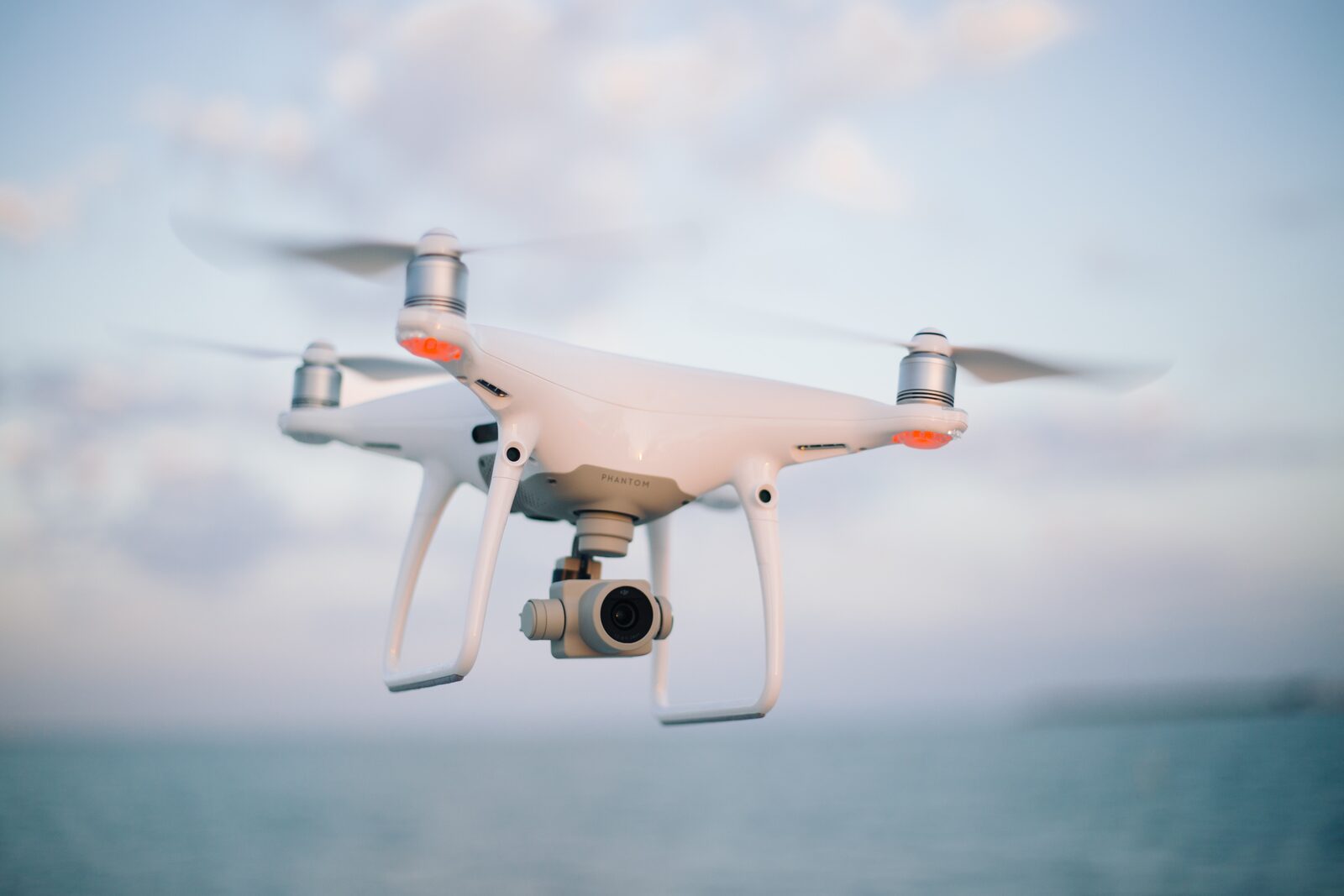
A 2016 drone market forecast predicted $127 billion in addressable opportunity. The original authors now assess how accurately their projection tracked industry development over the past decade.
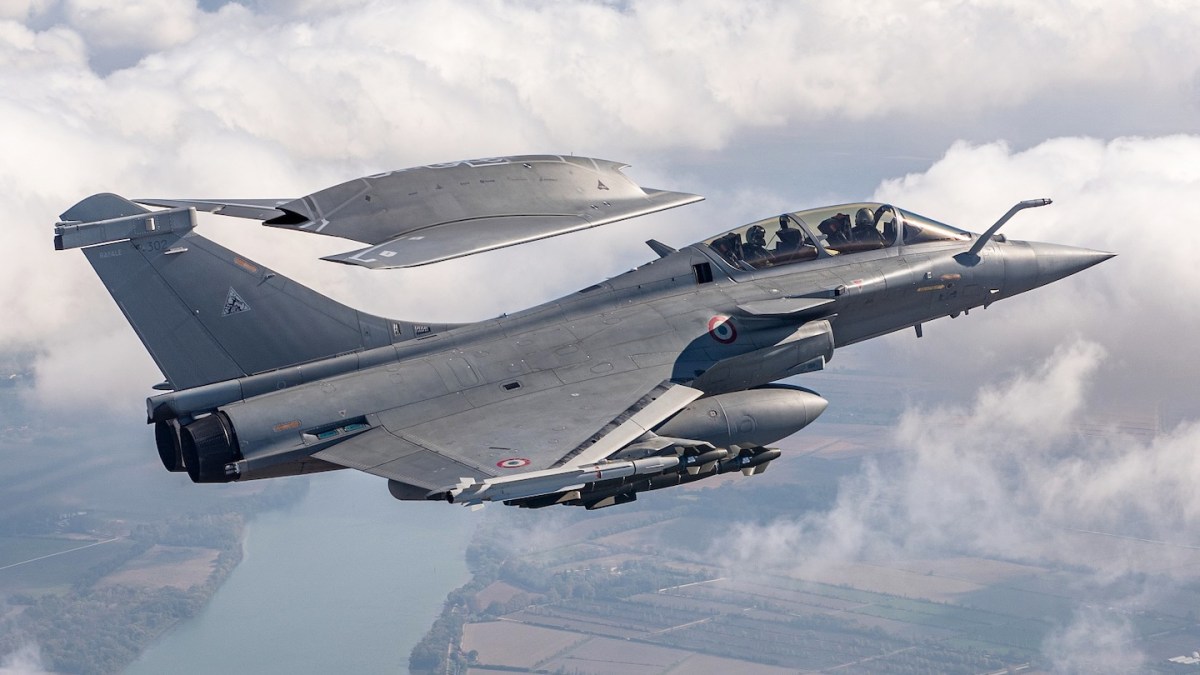
Following the collapse of the FCAS next-generation fighter program, France is accelerating development of an upgraded Rafale F5 variant with drone wingmen capabilities to sustain its tactical air capability through the 2030s.
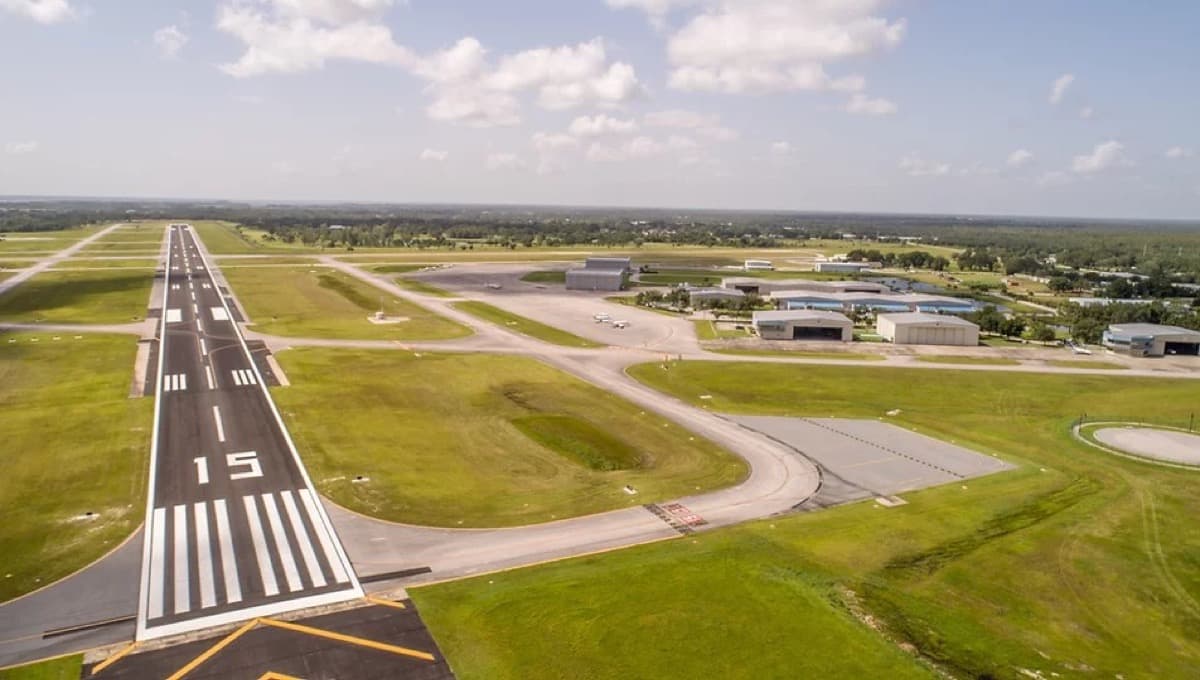
A retired airport manager discusses operational challenges at general aviation airports, including funding constraints, regulatory compliance, and ways pilots can support their local facilities.
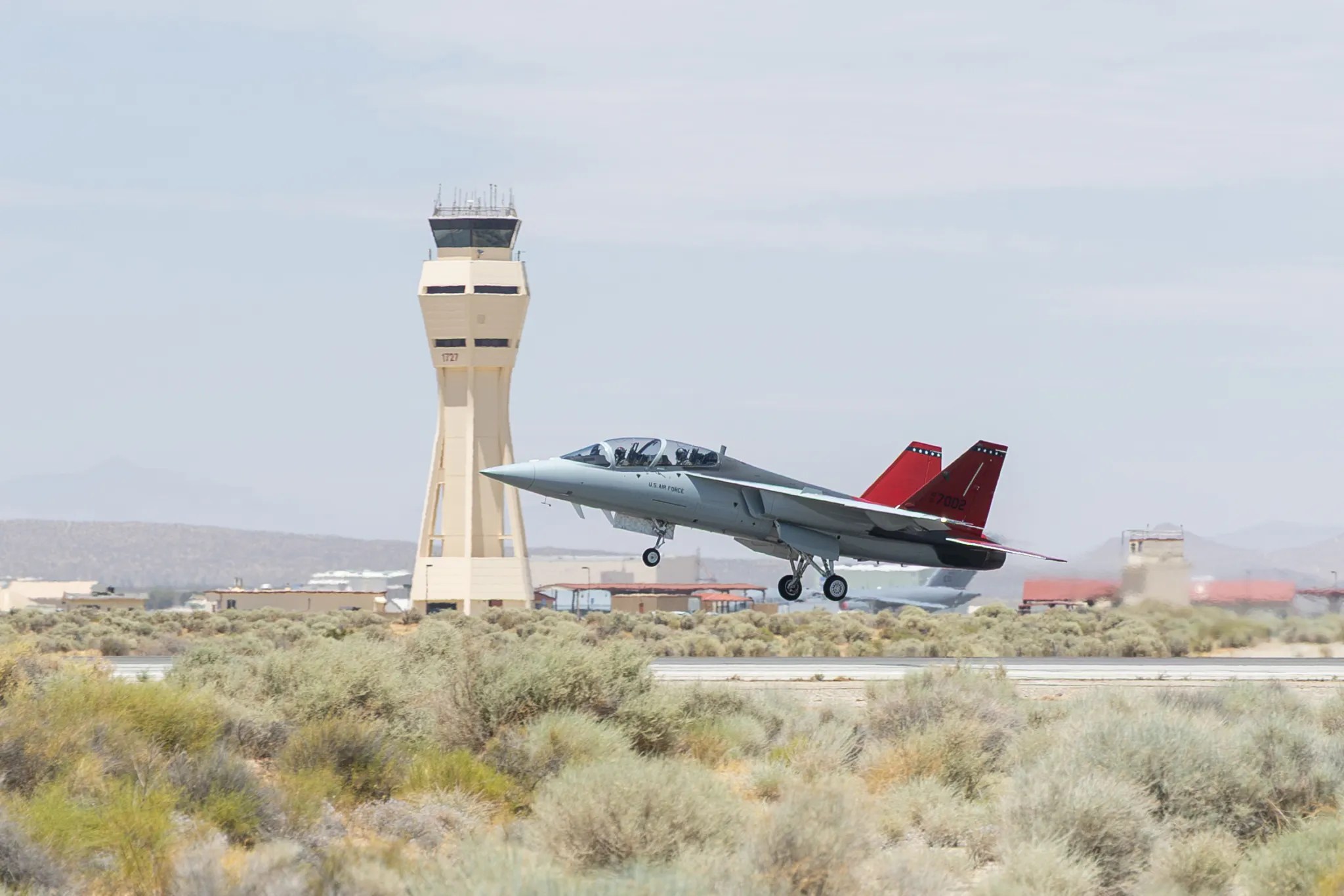
The U.S. Air Force has selected up to 131 T-7A Red Hawk trainer aircraft for Sheppard Air Force Base, with deliveries beginning in 2034 to replace the current T-38C fleet.
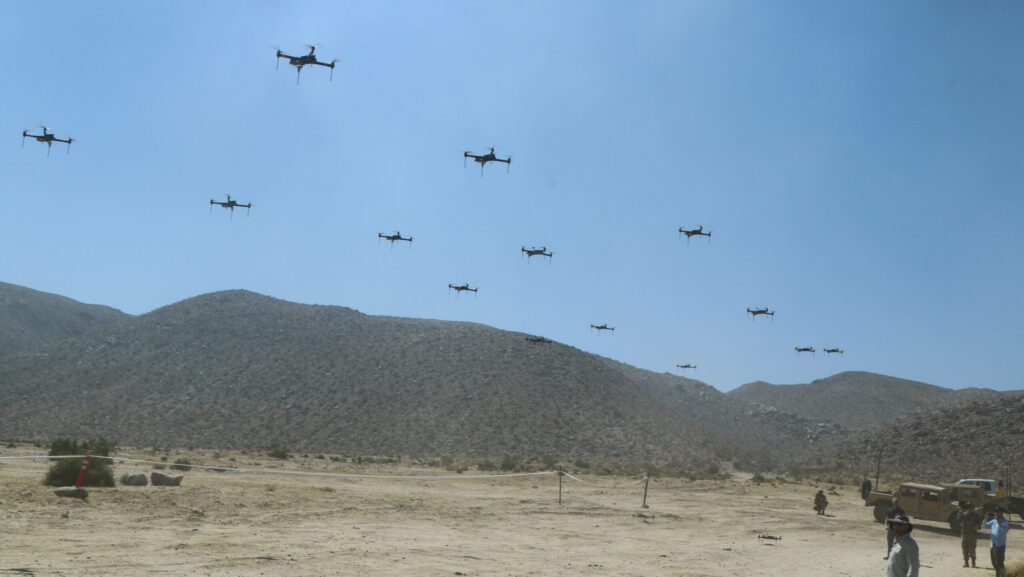
The Pentagon is exploring expansion of military technology testbeds along the US-Mexico border, with defense officials emphasizing a careful, safety-focused approach to introducing new programs.

Flexjet opened a $34 million dedicated terminal at Farnborough Airport, marking its first European base. The facility represents a strategic shift in business aviation competition, where infrastructure is becoming as important as aircraft fleet capabilities.

Canada and Ukraine have agreed to jointly develop defense technology and Canada will invest approximately $350 million to procure air defense interceptors through the JUMPSTART program as part of a long-term partnership.
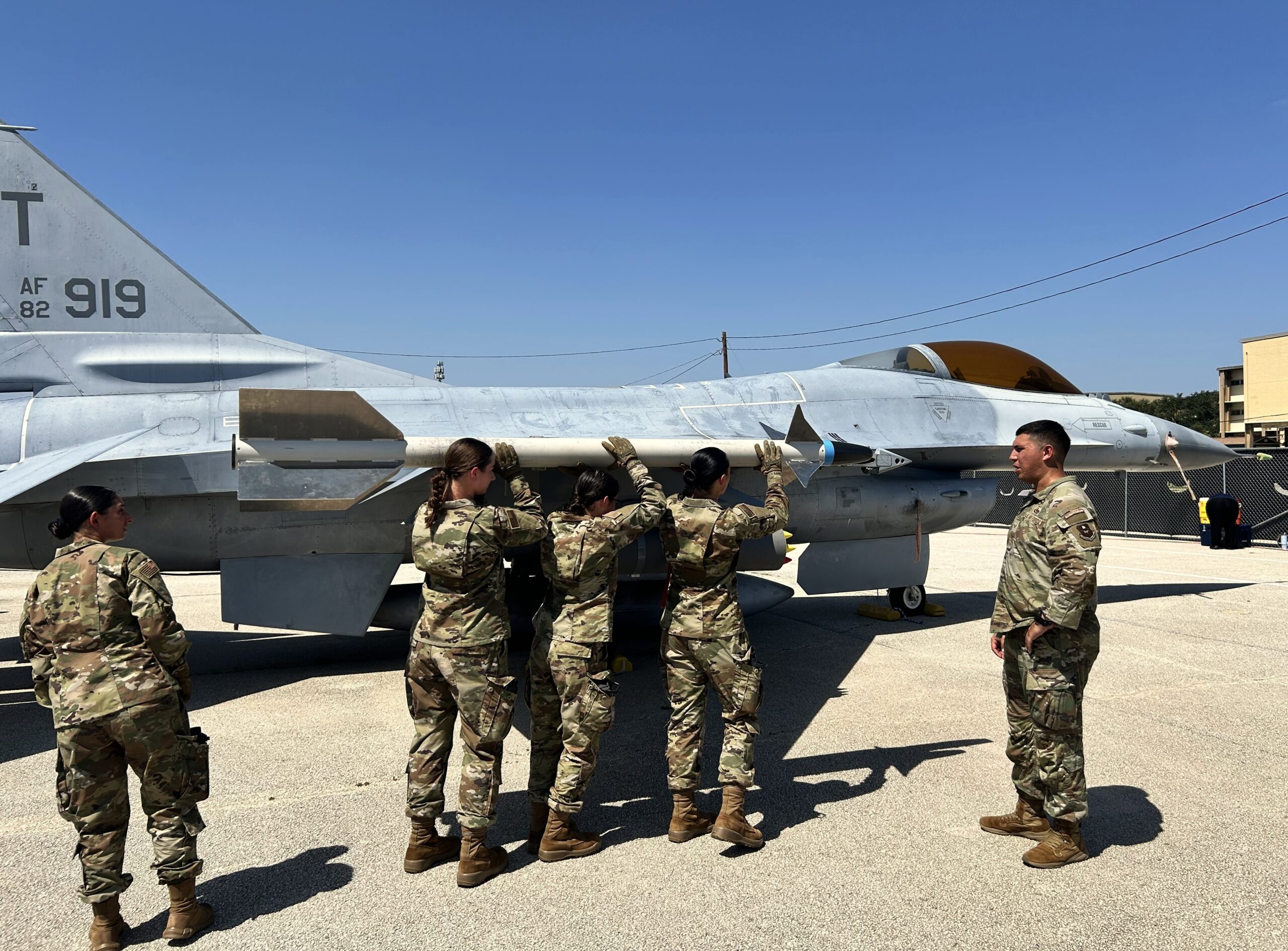
The U.S. Air Force has completed its first new airbase training range at Joint Base San Antonio-Lackland, where basic trainees practice rearming retired F-16 fighters with mock missiles, with additional ranges planned.