The Weekly Close: Telesat and Maritime Launch lead a broad rally
Canadian space companies Telesat and Maritime Launch led market gains this week, with Isar Aerospace achieving its first orbital flight ahead of operations at Spaceport Nova Scotia.
Always on Target
Canadian space companies Telesat and Maritime Launch led market gains this week, with Isar Aerospace achieving its first orbital flight ahead of operations at Spaceport Nova Scotia.
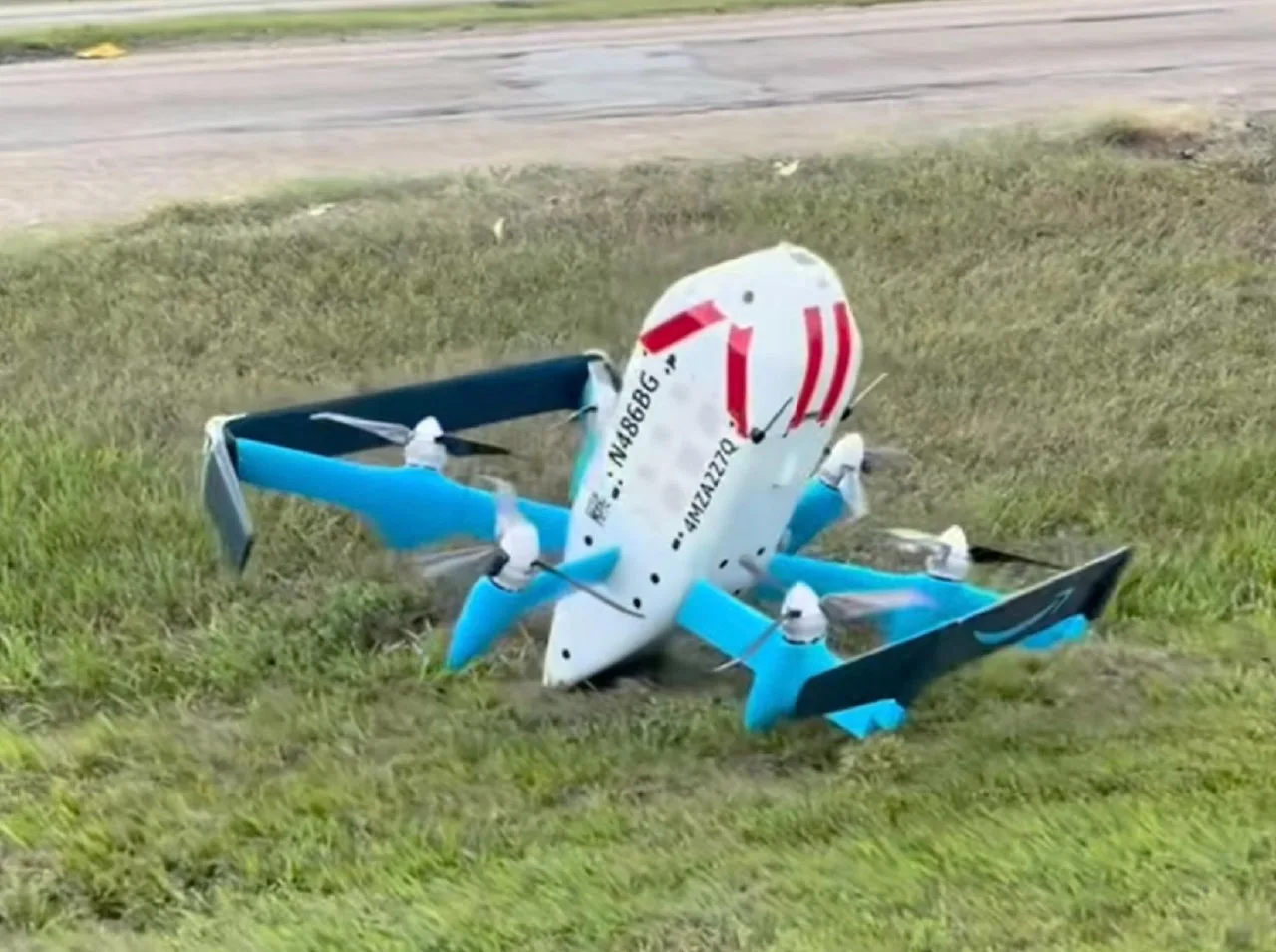
An Amazon MK30 delivery drone autonomously landed itself beside a road in Baton Rouge during stormy weather, with no damage reported. The incident marks an operational milestone for Amazon's drone delivery program.
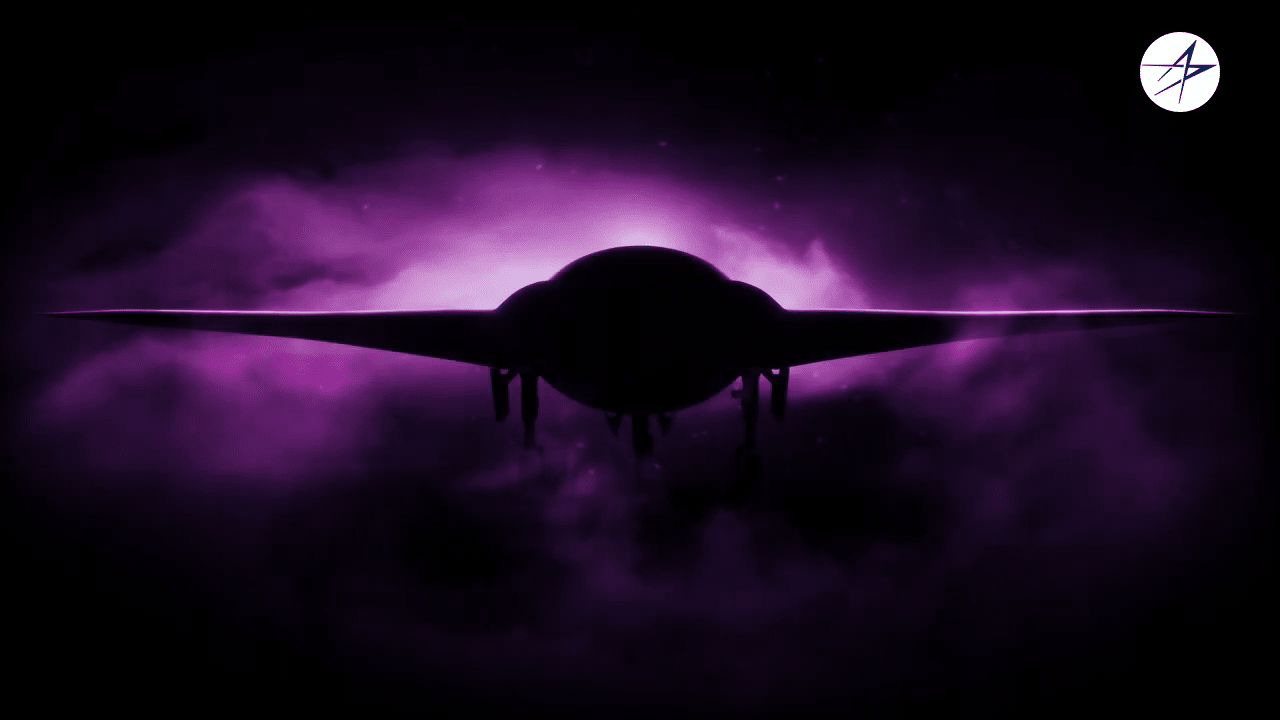
Lockheed Martin's latest teaser hints at a forthcoming announcement regarding Vectis, its Group 5 Collaborative Combat Aircraft program, with imagery suggesting new developments in the Skunk Works project.
Lockheed Martin is preparing to announce new developments regarding its Vectis Collaborative Combat Aircraft (CCA), a Group 5 unmanned system under development by Skunk Works.
A drone was confirmed to have been visually spotted at Brussels Airport on September 11, prompting a safety procedure that briefly disrupted operations for approximately 25 minutes during the evening.
An Amerijet Boeing 767 cargo aircraft sustained significant structural damage during a hard landing at Guatemala City airport, leaving the aircraft grounded pending repairs and investigation.

Anthropic reported that Russian developers misused its Claude AI system to develop autonomous drone swarm software capable of independent target selection, including human targets, without human oversight.
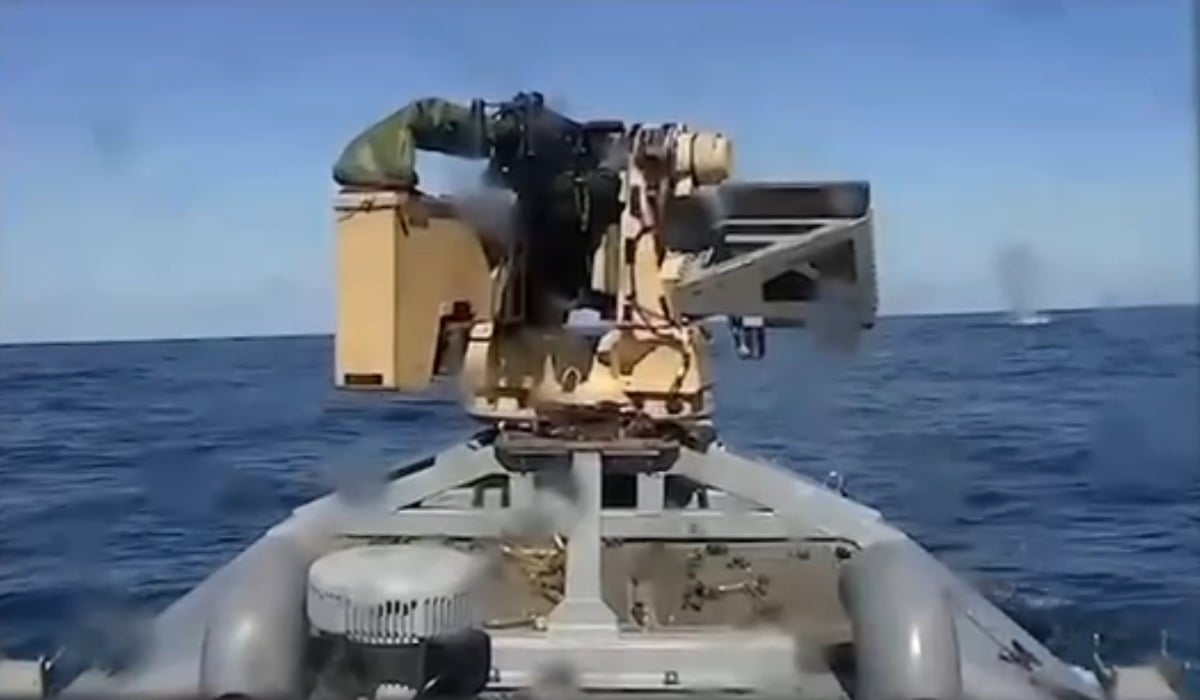
Ukraine's Navy reported destroying a Russian unmanned surface vessel using its own Sargan-3000 drone boat in the Black Sea, claiming the first documented combat engagement between autonomous naval vessels.
The Irish Aviation Authority successfully prosecuted a drone pilot for operating in restricted airspace, demonstrating regulatory enforcement of UAS regulations and airspace compliance.

A startup service enables aircraft flight crews to rapidly connect with emergency physicians to manage in-flight medical situations and reduce costly diversions.

NASA and IBM have released an AI model trained on lunar imagery to identify water ice deposits in permanently shadowed polar craters. The model achieved a 22% error reduction compared to competing systems, supporting future lunar resource utilization for propellant production and Mars missions.

Could Vietravel’s proposed 20 A220s open another chapter in the aircraft’s Asian expansion? Airbus fleet deals: The Vietnamese carrier wants the smaller jet alongside 30 A321-family aircraft, giving the two families different network roles. However, this is not yet a firm 50-aircraft order. Reuters…

A new biography examines aviation pioneer Lester Maitland's achievements, including the first mainland U.S. to Hawaii flight and his World War II service, highlighting a significant but overlooked figure in American aviation history.

A space policy analysis examines potential concerns and unclear implications of a proposed U.S. Space Academy and its relationship to NASA and military space operations.
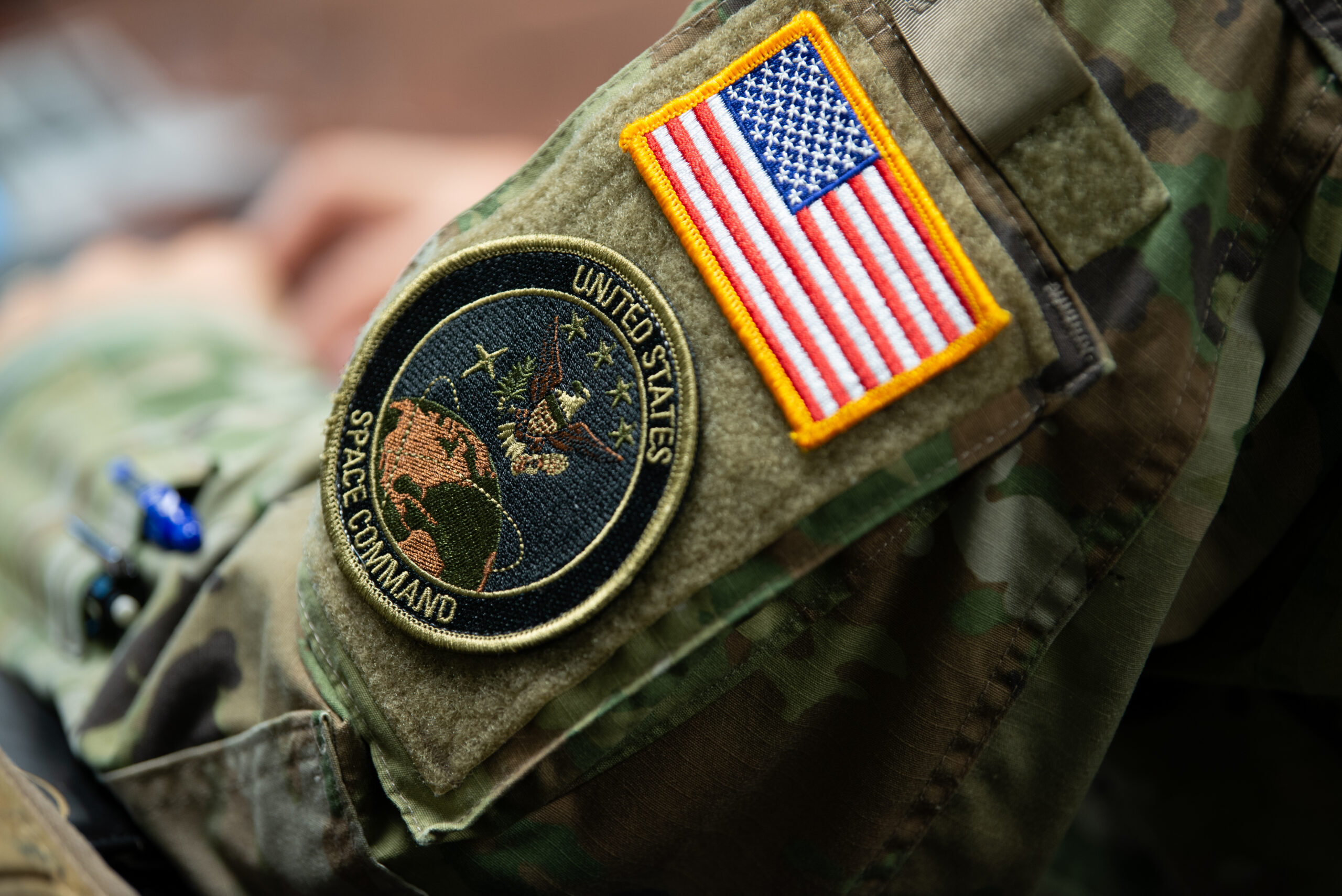
General Stephen Whiting assumed command of U.S. Space Command in January 2024, with his expected three-year tenure concluding in 2027. The article discusses the importance of selecting his successor from within the Space Force's ranks.

A Cessna 172 experienced partial engine power loss caused by fuel-oil contamination in the fuel injection servo, according to accident investigation findings.
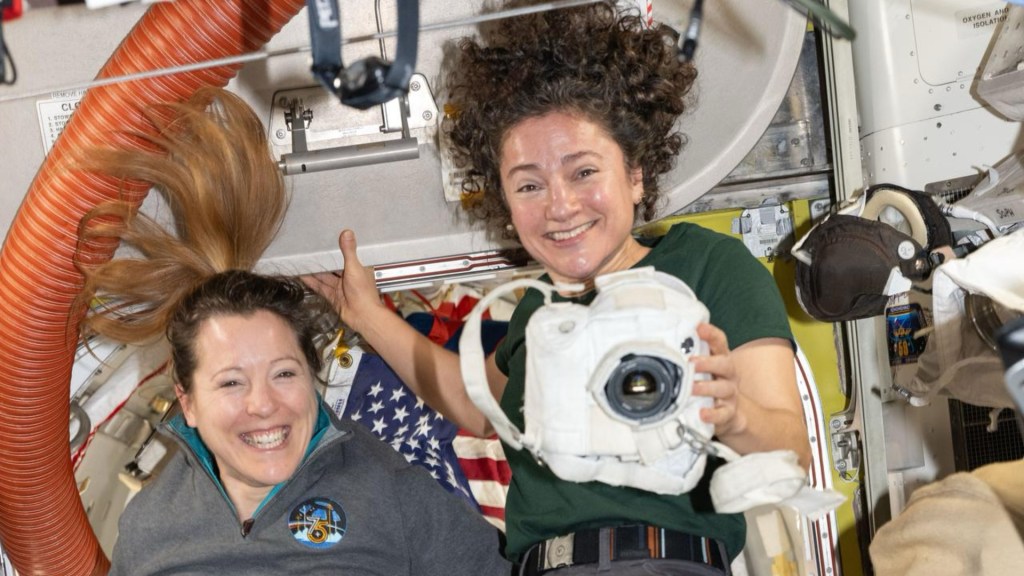
A Russian Progress cargo vehicle concluded a six-month mission to the International Space Station, undocking after delivering approximately three tons of supplies, fuel, and provisions for the orbiting facility's crew.
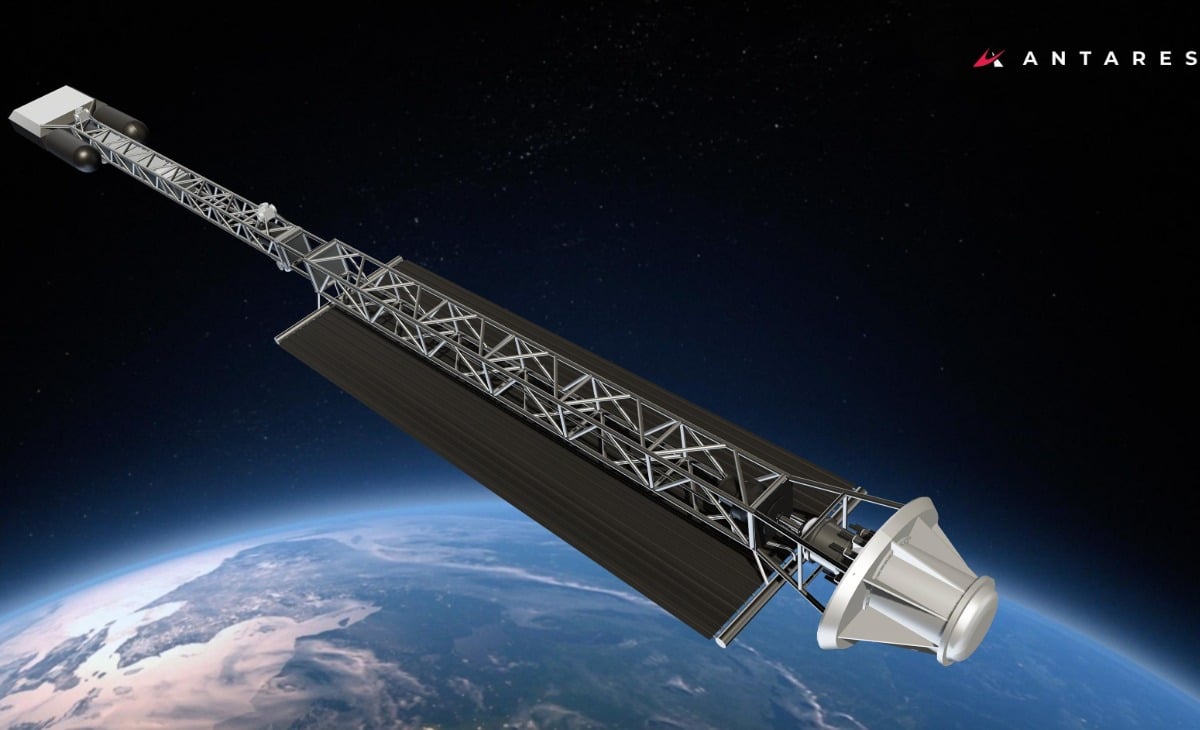
The U.S. Space Force awarded a $161 million contract to Antares, a California startup, to develop an orbital nuclear reactor design for powering spacecraft.

Satellite Earth observation faces challenges from cloud cover, solar angles, and orbital geometry. Researchers are exploring liquid AI technology to improve image processing and data consistency from space-based monitoring systems.
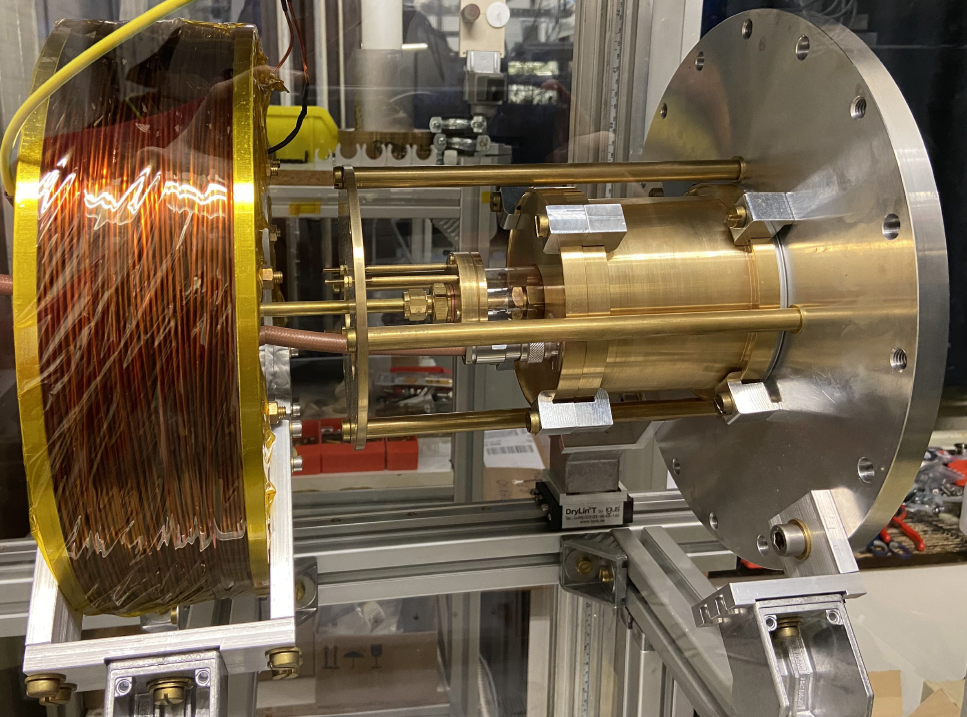
Researchers have developed a novel plasma engine design that uses atmospheric air as propellant, enabling cost-effective operations for satellites in very low Earth orbit while leveraging atmospheric drag for natural deorbit.
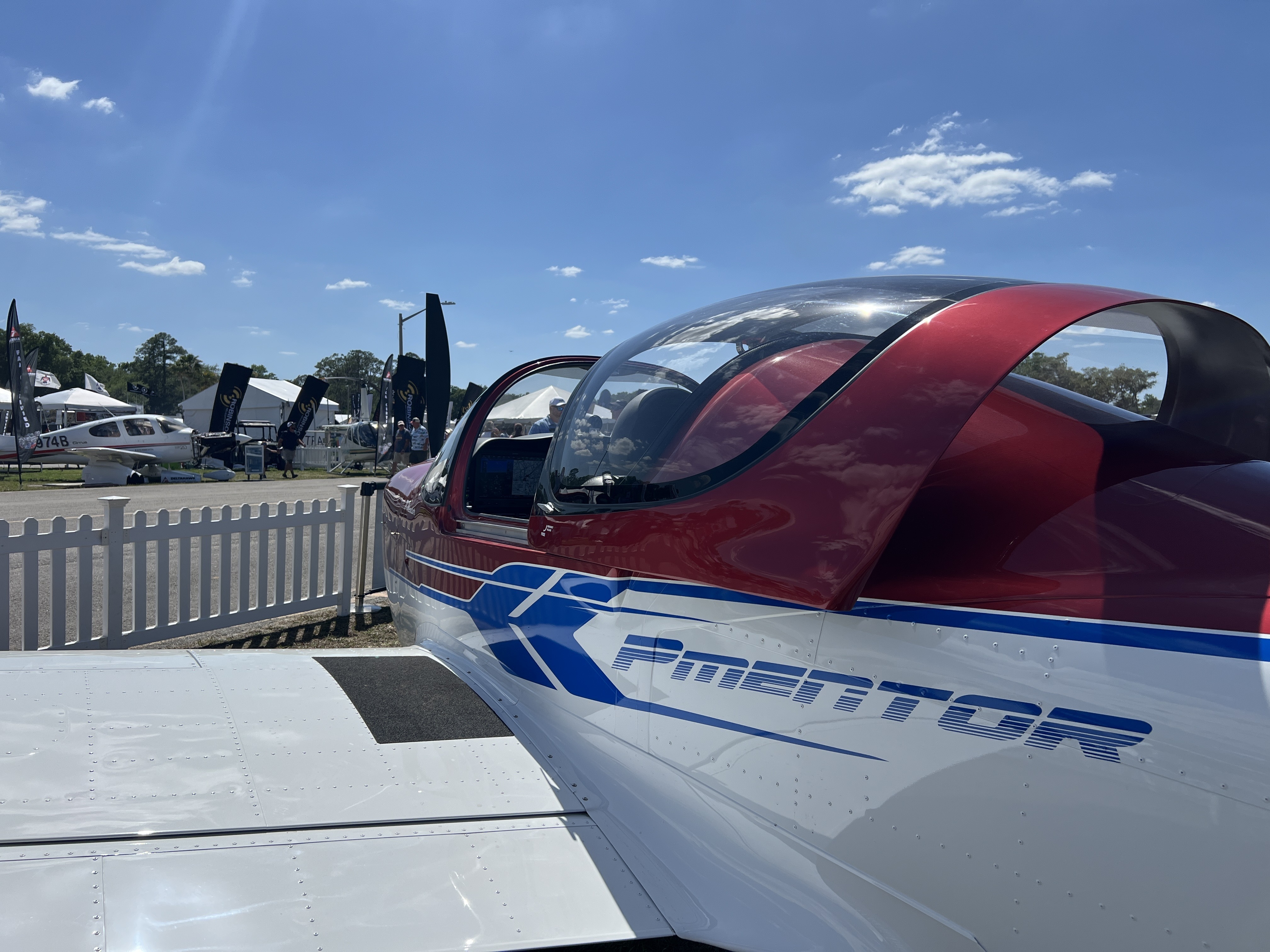
The FAA has expanded sport pilot privileges under new MOSAIC regulations, though industry adoption appears to be moving in different directions than anticipated by the rulemaking.
Iberia Maintenance has obtained unrestricted approval from Spanish aviation authorities to perform heavy maintenance on its entire Airbus A350 fleet, marking the first time AESA has granted such authorization for this aircraft type.
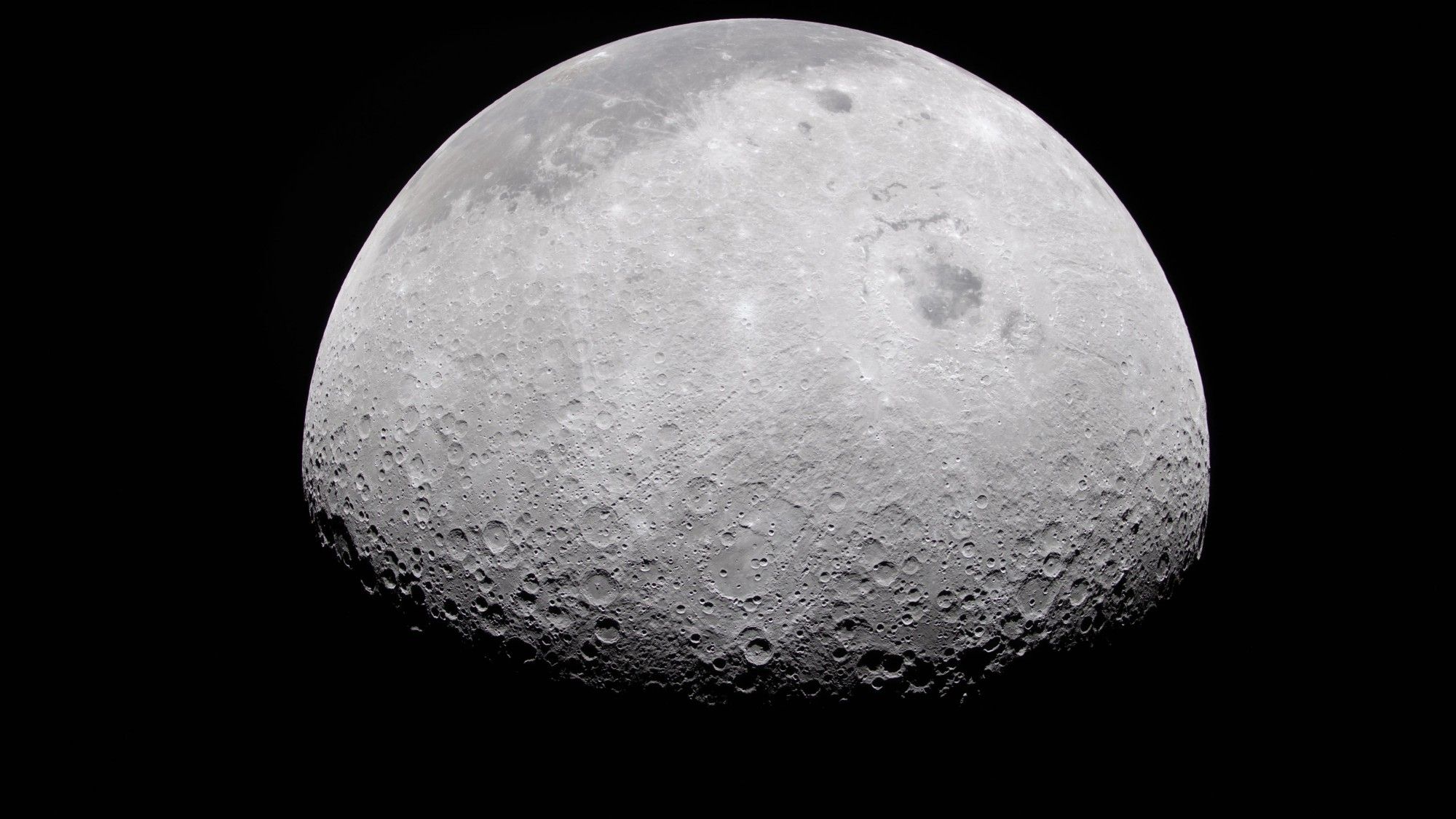
NASA and IBM have created an artificial intelligence model designed to analyze and process large datasets collected about the moon, streamlining research and data interpretation for lunar studies.
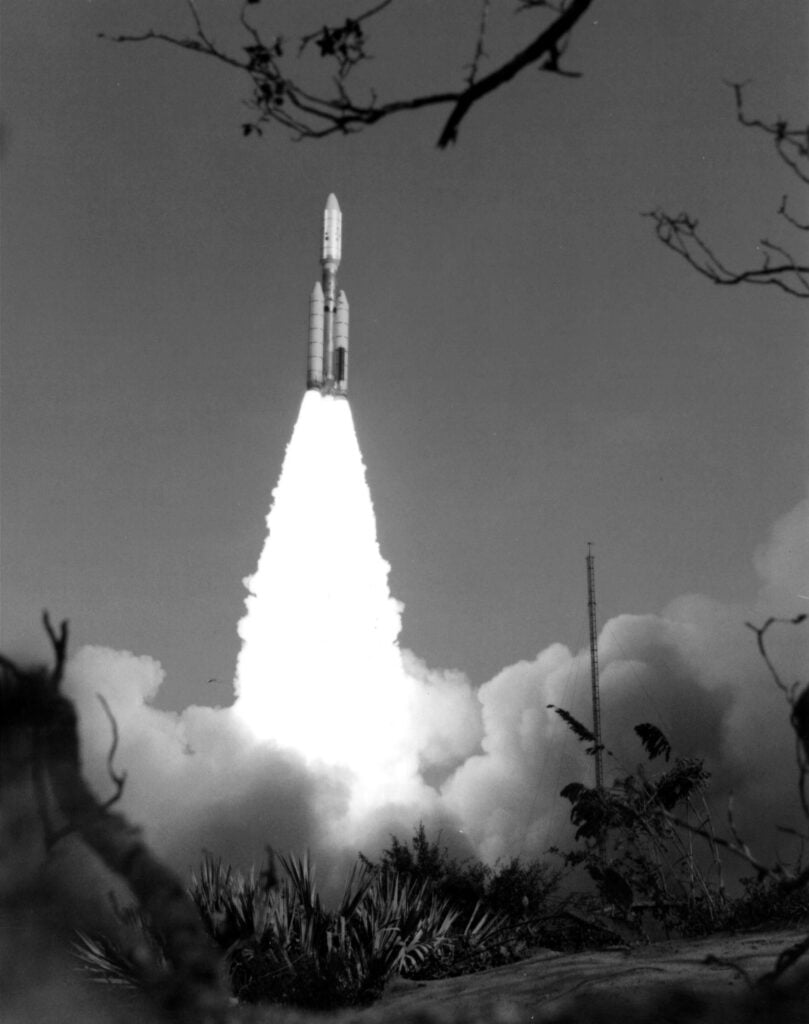
Voyager 1, launched in September 1977, continues operating at 164.7 AU from Earth as of August 2024, traveling at approximately 38,000 mph relative to the Sun and still transmitting data after nearly five decades in space.
A quote highlights concerns that the U.S. Navy has not adequately investigated whether operational conditions specific to naval aviation may be causing long-term harm to pilots.
Bombardier responded to U.S. trade pressures regarding domestic production, while industry news covered engine issues, avionics upgrades, and regional aviation developments across multiple markets.
An NTSB preliminary investigation into a Cessna 172 accident near Florida found the throttle control was malfunctioning, pushing back out when engaged, though the flight instructor and student pilot escaped uninjured.
CFM International and VietJet have signed a letter of intent to evaluate establishing LEAP engine maintenance and overhaul capabilities in Vietnam, with CFM providing consulting support for the feasibility study.

Romanian airline TAROM has received its first Boeing 737 MAX aircraft, expanding its fleet with the modern narrowbody jet.
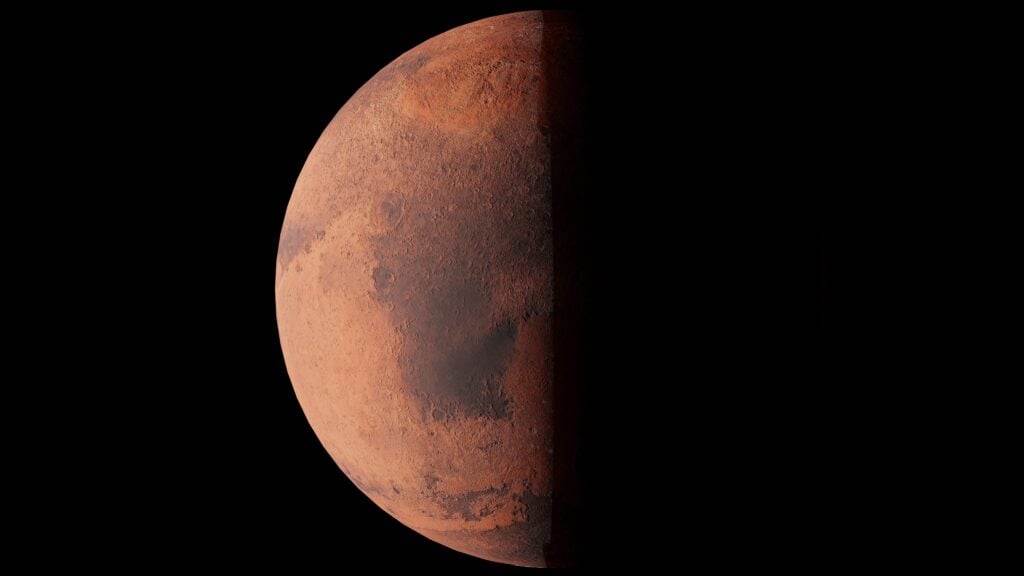
Blue Origin has secured a NASA contract valued up to $700 million to develop a Mars communications orbiter, prompting competitor Rocket Lab to file a protest with federal authorities—mirroring Blue Origin's earlier challenge to SpaceX's lunar-lander award.