GUAMobility progresses Oman’s AAM strategy
GUAMobility, a French consultancy, is conducting a second mission in Oman to support development of Advanced Air Mobility (AAM) strategy and infrastructure in the Sultanate.
Always on Target
GUAMobility, a French consultancy, is conducting a second mission in Oman to support development of Advanced Air Mobility (AAM) strategy and infrastructure in the Sultanate.
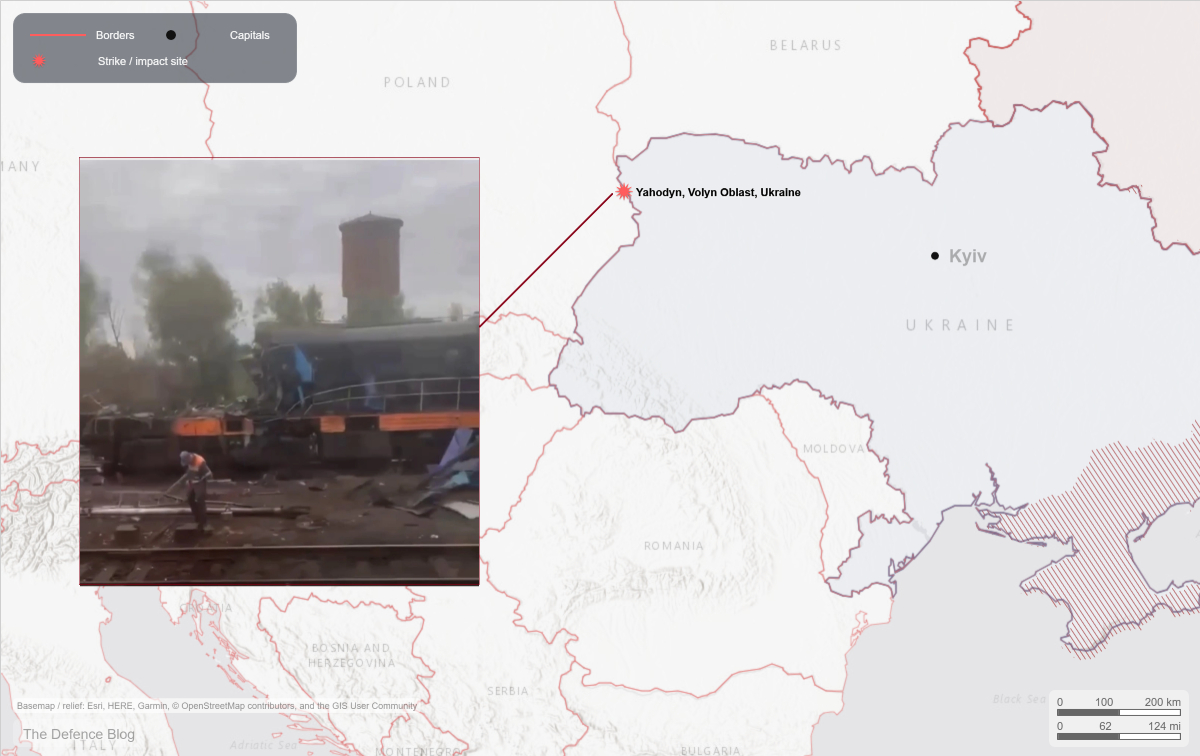
Retired General David Petraeus identified the Russian drone that struck a Ukrainian train near the Polish border as a jet-powered variant of the Geran/Shahed attack drone system.
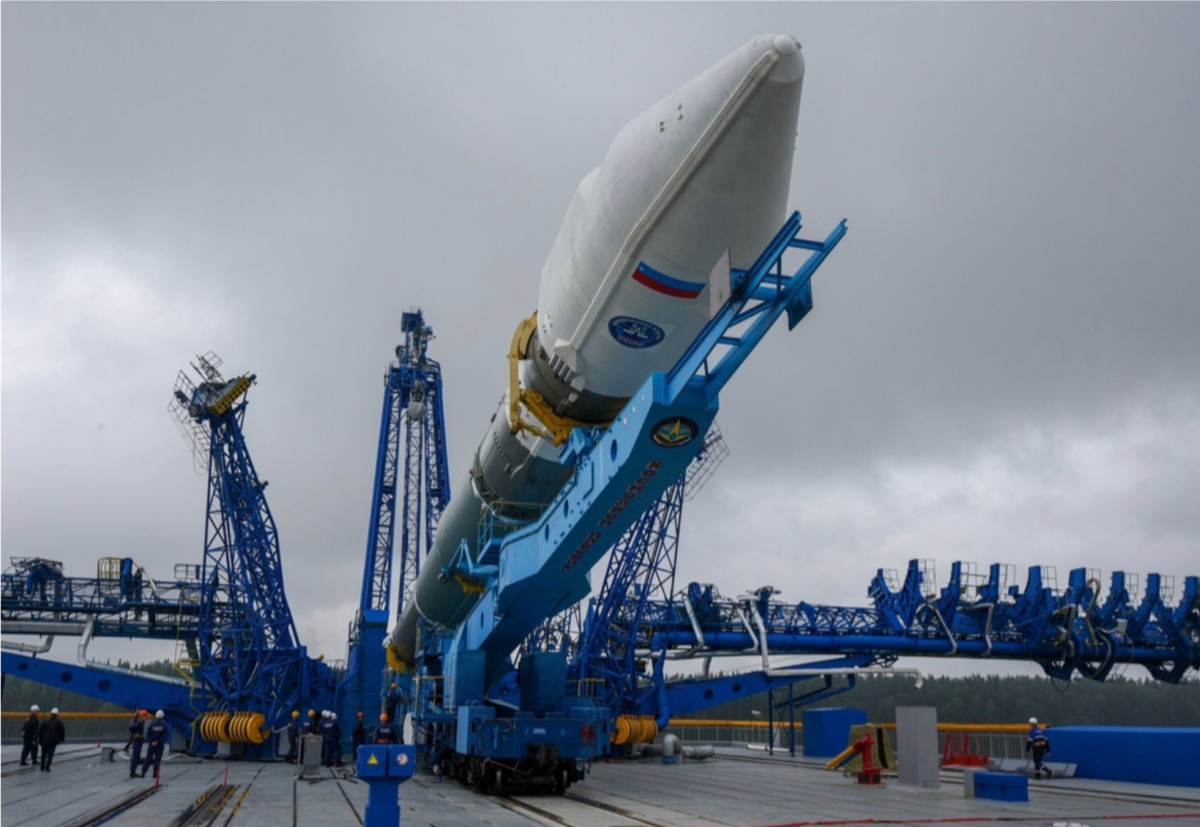
A Russian inspector satellite, designed to maneuver near and observe other nations' spacecraft, reentered Earth's atmosphere on September 12. Experts suggest the recovered object may not be the actual satellite itself.
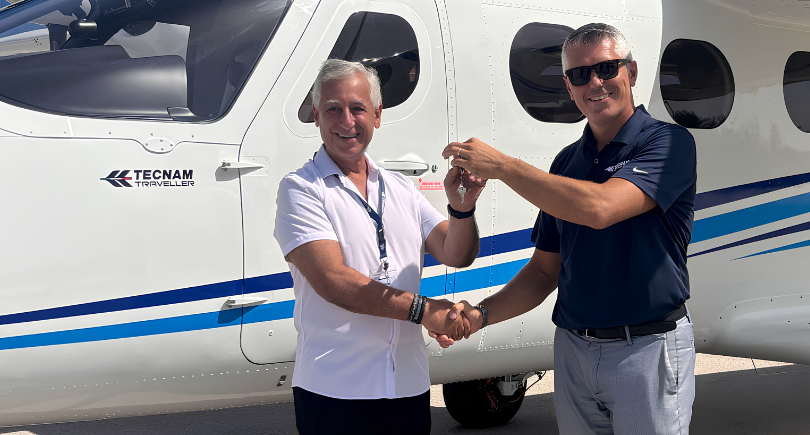
Tecnam P2012 Traveller twin-engine aircraft delivered to Tropic Air Charters in Florida, marking the operator's transition from Britten-Norman aircraft to modern twin-engine regional transport.

Analysis of lunar soil samples from China's Chang'e-6 mission reveals solar wind particles penetrate deeper into far-side regolith compared to near-side samples, attributed to Earth's magnetosphere shielding the near side and slowing incoming solar wind to approximately 200 km/s.
Malaysia Airlines has maintained profitability for four consecutive years despite facing significant headwinds, with fuel costs surging 90% annually and net margins below 1% providing minimal operational buffer.
TARMAC Aerosave will establish a dedicated dismantling line to recycle over 10 A320neo and 737 MAX aircraft for AerFin beginning in 2026, expanding aircraft recycling operations.
Australia observes 25 years since Ansett Airlines ceased operations in 2002, reflecting on the collapse of one of the country's two major domestic carriers that began with administration in September 2001.

Orbital compute startup Sophia Space and space asset leasing firm SLI have finalized terms for a $300 million satellite financing agreement, supporting expansion of in-orbit computing capabilities.
Australia's competition watchdog extended consultation on Airservices' proposal to increase airline fees by approximately 15% annually over five years, seeking additional feedback on the pricing changes.
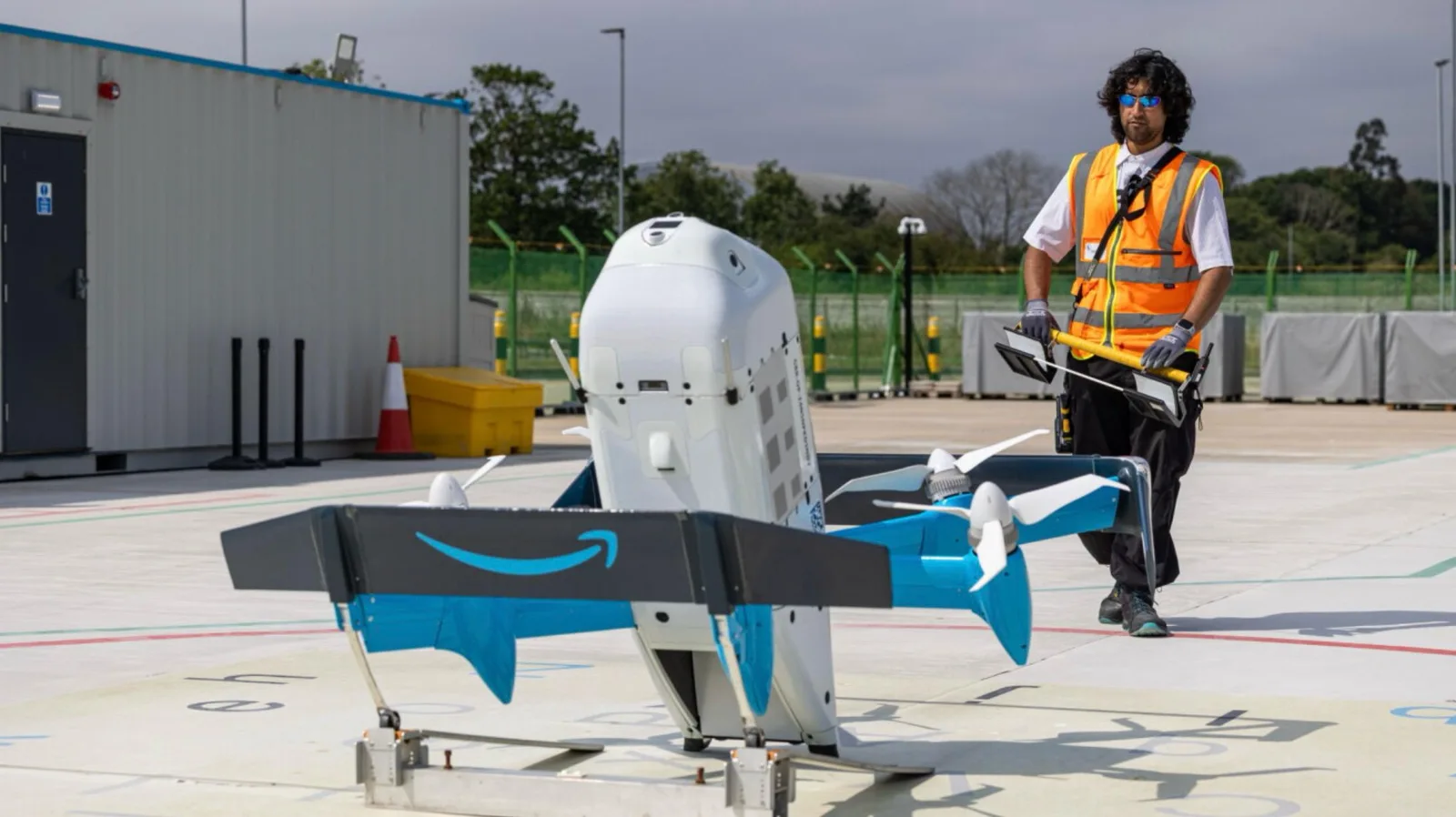
Amazon has petitioned UK aviation authorities to expand Prime Air drone delivery operations across Darlington following 500 successful test flights, seeking permission to conduct up to 100 deliveries weekly.
Two passengers were restrained on a Virgin Australia flight from Melbourne to Doha after allegedly assaulting flight attendants and making threats, requiring multiple crew members to subdue them until landing.

Historical documentation of ZK-BBJ, a Douglas C-47B agricultural spray aircraft operated in New Zealand, with photographs from 1976 and 1985 showing its service history in the topdressing role.
Australia's Navy successfully tested two domestically-developed uncrewed systems for offshore patrol vessels, demonstrating autonomous launch/recovery and surveillance capabilities from moving ships.

NATO interceptors were scrambled and Vilnius Airport was temporarily closed after radar detected what appeared to be an unidentified contact, later identified as a bird flock. A similar incident occurred in Poland a week earlier.
Malaysia Airlines Cargo is developing Kuala Lumpur as a Southeast Asian air cargo hub, leveraging freighter operations, passenger belly capacity, and partnerships to serve European and North American markets.

Aviation cargo security faces vulnerabilities in tracking systems, with thieves exploiting gaps between scan points through impersonation and fraudulent documentation despite companies knowing shipment destinations.
The Royal Australian Air Force achieved initial operational capability with long-range missiles on F/A-18F Super Hornet aircraft, enabling survivable strike operations against defended maritime and land targets.
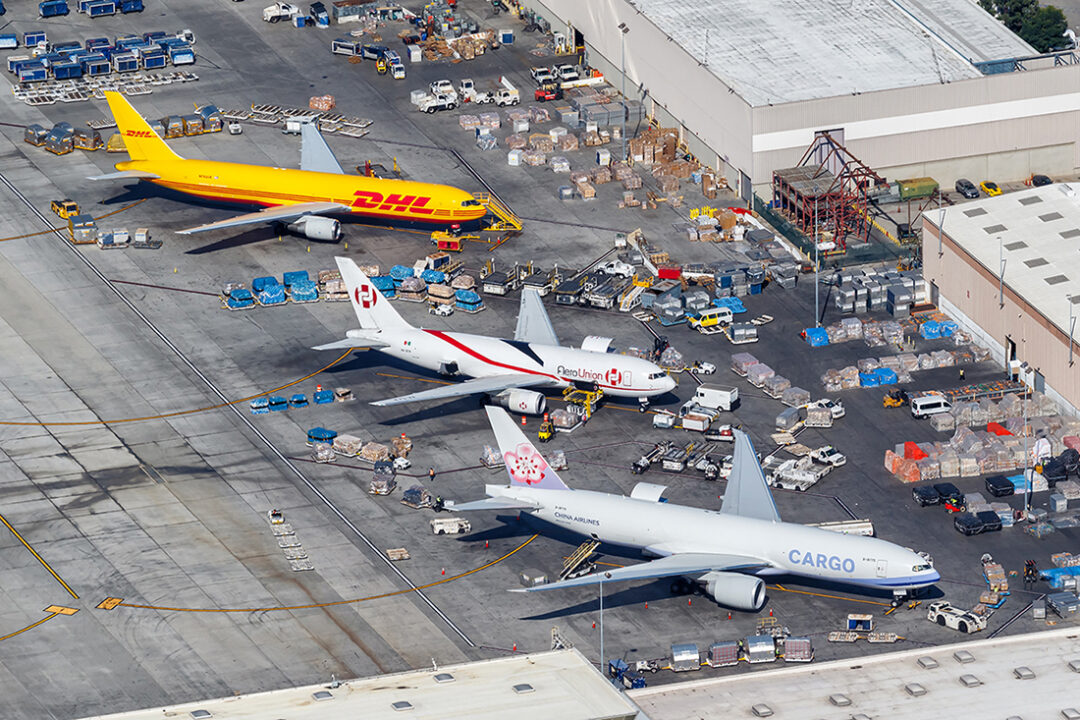
Air cargo operators face significant recruitment and retention challenges for ground staff, as security screening and specialized training requirements make personnel turnover more costly than expanding aircraft and facilities.

Aerospace material suppliers are enabling manufacturers to increase production rates while maintaining quality and certification standards through automation, process control, and rigorous validation methods.
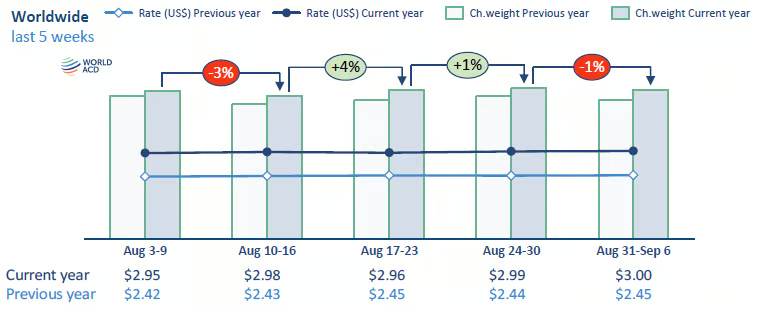
Global air cargo volumes declined slightly week-on-week in week 36, with Middle East tensions and Southeast Asian export disruptions contributing to the slowdown in traffic and capacity.
EgyptAir, Singapore's Changi Airport, and Sydney Airport plan to launch a new three-city service connecting Cairo, Singapore, and Sydney starting early 2027, pending regulatory approvals.
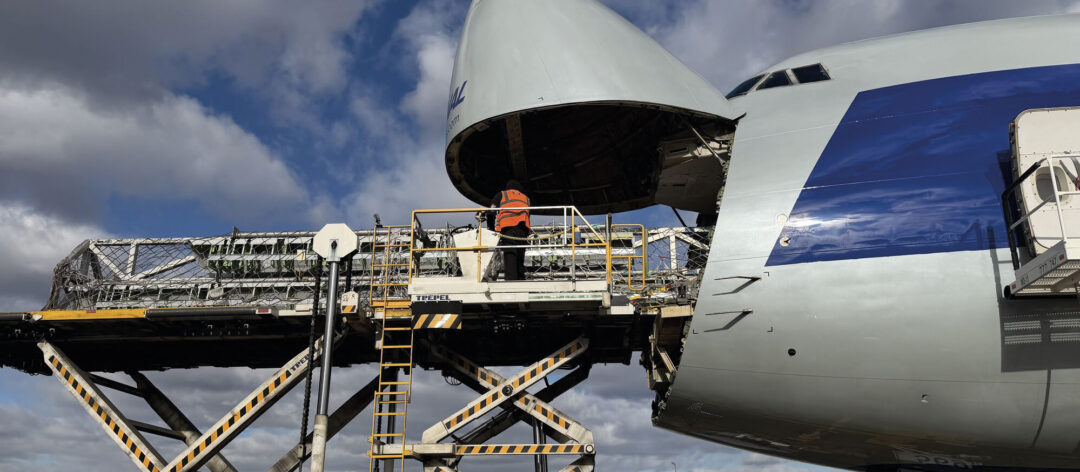
Mid-sized cargo operators are shifting strategy toward high-yield, specialized freight routes in sectors like pharmaceuticals and technology rather than pursuing global volume expansion, supported by digital tools.

Etihad Airways and Khalifa University conclude a joint internship program focused on developing Emirati aviation talent and advancing workforce capabilities in the airline industry.
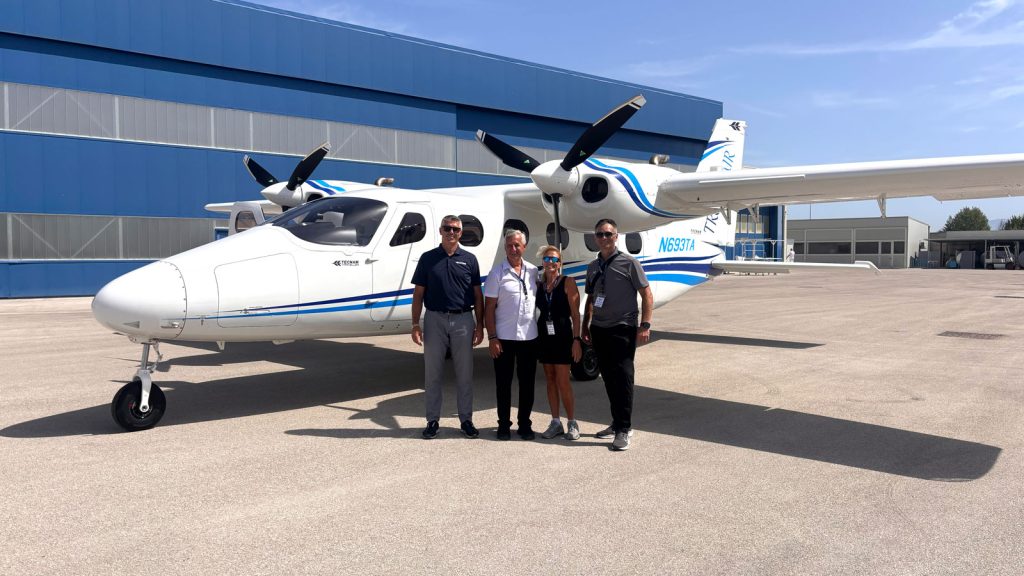
Tecnam delivered its first P2012 Traveller twin-engine aircraft to Tropic Air Charters, marking a significant milestone for the general aviation charter operator.
Five global air traffic management organizations have published a white paper calling for industry-wide transformation in how airspace and flight operations are managed across international systems.

Air cargo industry guidelines address specialized handling requirements for live animal transport, emphasizing shipper responsibilities for documentation, containers, and welfare considerations throughout the supply chain.
North American cargo carriers are diversifying beyond major hubs, with Chicago Rockford emerging as a competitive alternative offering faster turnarounds and cost advantages for regional air freight operations.

Vega C rocket will launch ESA's Sentinel-3C Earth observation satellite and FLEX mission from French Guiana, with Avio serving as prime contractor and launch operator.
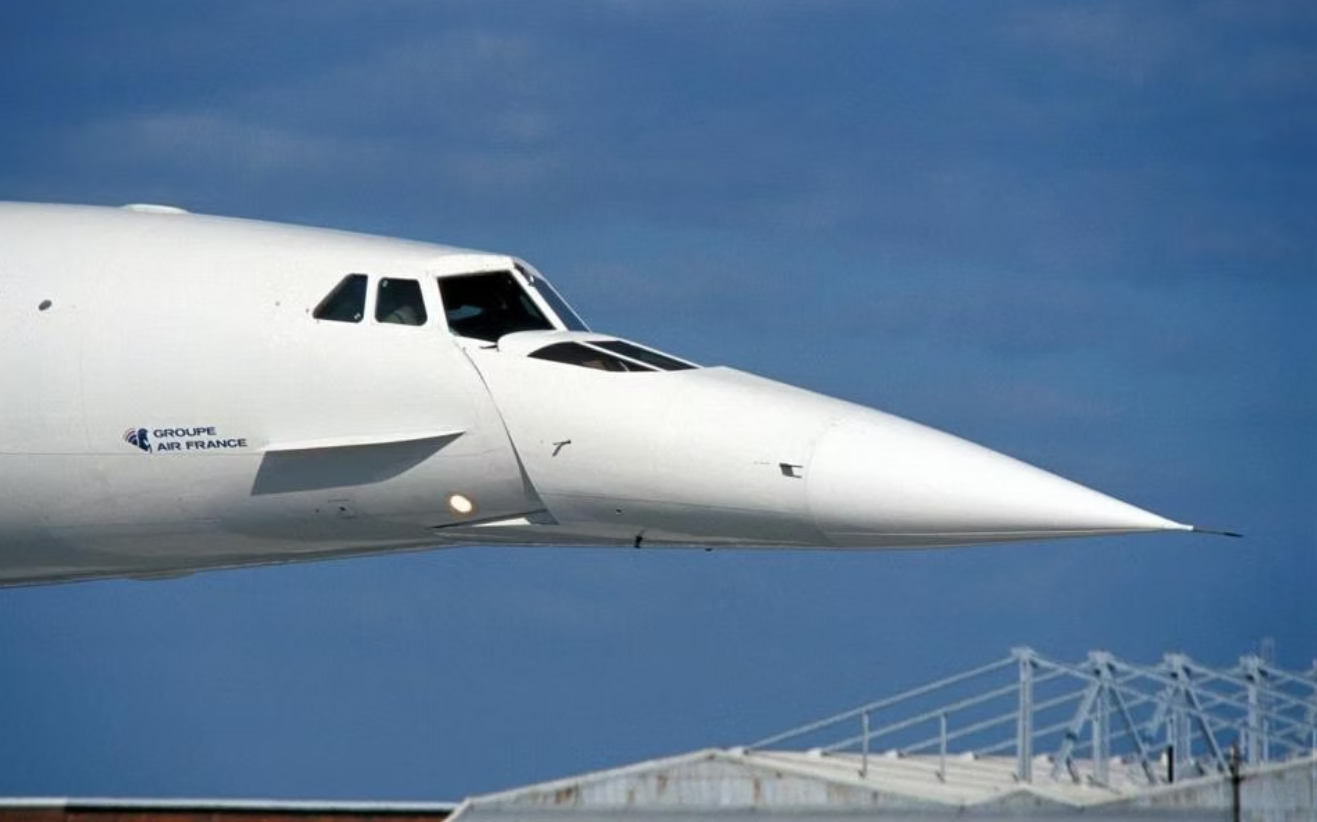
Technical overview of Concorde's distinctive retractable nose design, which served aerodynamic and visibility functions during supersonic flight operations.